

23/11/2026 by Marijke 0 Comments
Broccoli: Health Benefits, Sulforaphane and How to Prepare It
Broccoli is available in supermarkets throughout the year, but its main growing season in the Netherlands runs approximately from June to November.
If you enjoy eating in tune with the seasons, this is a wonderful time to give this green vegetable a regular place on your plate.
Broccoli is often treated as a simple side dish, but there is much more to this vegetable than meets the eye.
It belongs to the cruciferous vegetable family and contains an interesting combination of vitamins, minerals, dietary fibre and bioactive plant compounds.
One compound in particular has attracted considerable scientific attention: sulforaphane.
Research into sulforaphane has opened up fascinating questions about cellular defence mechanisms, antioxidant responses, inflammation and metabolic health.
But there is another interesting aspect: how we prepare broccoli can influence the formation and availability of these compounds.
Let's explore what makes broccoli such an interesting addition to a health-supporting diet.
1. The nutritional value of broccoli
Broccoli is a nutrient-dense vegetable, meaning it provides a considerable amount of nutrients relative to its energy content.
It contains several vitamins and minerals that contribute to normal physiological functions.
Its nutritional profile includes:
Vitamin C: supports normal immune function, collagen formation and protection of cells against oxidative stress.
Vitamin K1: contributes to normal blood clotting and the maintenance of healthy bones.
Folate (vitamin B9): plays an important role in cell division and normal blood formation.
Potassium: contributes to normal muscle function and the maintenance of normal blood pressure.
Dietary fibre: supports normal bowel function and contributes to a healthy digestive system.
Broccoli also provides smaller amounts of calcium, iron, manganese and other B vitamins.
Another advantage is its relatively low energy content, making it easy to include in a varied and balanced diet.
2. Glucosinolates and the fascinating science of sulforaphane
One of the most interesting characteristics of broccoli is its glucosinolate content.
Glucosinolates are sulphur-containing plant compounds found in cruciferous vegetables such as broccoli, cauliflower, Brussels sprouts, kale and cabbage.
Plants use these compounds as part of their natural defence mechanisms.
When broccoli is chopped, crushed or chewed, its cells are disrupted. This brings two components into contact:
Glucoraphanin: a glucosinolate naturally present in broccoli.
Myrosinase: an enzyme that helps convert glucoraphanin into sulforaphane.
Sulforaphane belongs to a group of compounds called isothiocyanates.
It has become particularly interesting to researchers because of its influence on several cellular defence pathways.
Why is sulforaphane so interesting?
One of the best-studied mechanisms involves the Nrf2 pathway.
Nrf2 is a transcription factor that regulates the expression of numerous genes involved in cellular defence, antioxidant responses and the body's ability to deal with potentially harmful compounds.
Sulforaphane can activate this pathway and stimulate the production of certain protective enzymes.
This is one reason why researchers are interested in its potential role in long-term health.
What does the research say?
. Cellular protection and cancer research
Sulforaphane has demonstrated interesting effects in laboratory and animal studies, including the activation of enzymes involved in the metabolism of potentially harmful substances.
Researchers are also investigating its influence on oxidative stress, inflammation and cancer-related cellular processes.
However, it is important to distinguish between laboratory findings and proven effects in humans.
Although the results are promising, there is currently insufficient evidence to claim that eating broccoli or taking sulforaphane supplements prevents or treats cancer.
. Cardiovascular health
Research is exploring whether sulforaphane may influence blood vessel function, oxidative stress and inflammatory processes associated with cardiovascular health.
Some experimental studies have produced encouraging results, but more human research is needed to establish the clinical significance.
. Metabolic health
Sulforaphane is also being investigated for its potential influence on glucose metabolism, insulin sensitivity and inflammation associated with metabolic disorders.
Some human studies have reported promising findings, particularly in people with metabolic disturbances.
Nevertheless, it is too early to regard sulforaphane as a treatment for metabolic disease.
The most important message is that broccoli contains biologically active compounds that interact with our cellular processes in fascinating ways.
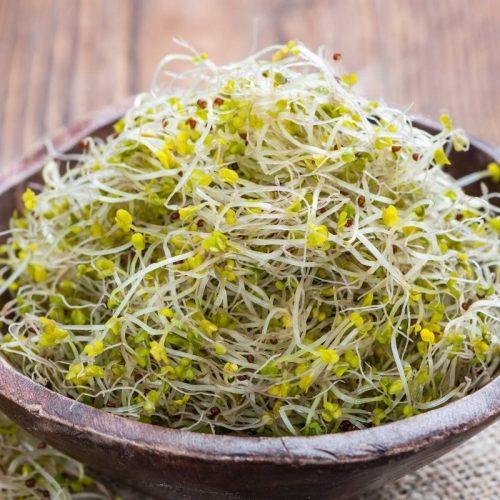
3. Broccoli sprouts: a concentrated source of glucoraphanin
If you want to explore the nutritional potential of broccoli further, take a look at broccoli sprouts.
These young plants are particularly interesting because they can contain considerably higher concentrations of glucoraphanin than mature broccoli.
An influential study by Fahey and colleagues, published in 1997, found that three-day-old broccoli sprouts contained approximately 10–100 times more glucoraphanin than mature broccoli, depending on the varieties studied.
This makes broccoli sprouts an interesting addition to the diet.
You can add a small handful to:
Salads
Sandwiches
Wraps
Vegetable bowls
Smoothies
Remember that the exact concentration varies with the variety, growing conditions and age of the sprouts.
Reference: Fahey, J. W., Zhang, Y., & Talalay, P. (1997). Broccoli sprouts: An exceptionally rich source of inducers of enzymes that protect against chemical carcinogens. Proceedings of the National Academy of Sciences.
https://pubmed.ncbi.nlm.nih.gov/9294217/
4. Preparation matters: how to maximise sulforaphane formation
Here is where things become particularly interesting.
The way you prepare broccoli can influence how much sulforaphane is formed.
Remember the enzyme myrosinase?
It plays an important role in converting glucoraphanin into sulforaphane.
However, myrosinase is sensitive to heat. Prolonged cooking can deactivate the enzyme, reducing the conversion of glucoraphanin into sulforaphane during preparation.
This does not mean that cooked broccoli loses all its nutritional value. It simply means that different preparation methods can influence different nutrients and bioactive compounds.
A few practical tips
1. Chop before cooking
Cut or chop your broccoli into smaller pieces and allow it to rest for approximately 30–40 minutes before cooking.
This gives the naturally occurring myrosinase time to act on glucoraphanin before heat is applied.
2. Choose gentle cooking methods
Steaming is a good option for retaining the vegetable's texture and many of its nutrients.
Short cooking times generally help preserve more glucosinolates than prolonged boiling.
3. Add a source of myrosinase
If you prefer thoroughly cooked broccoli, there is another interesting possibility.
Add a small amount of mustard powder or freshly grated radish to your cooked broccoli.
These foods contain active myrosinase, which can help convert remaining glucoraphanin into sulforaphane.
This is a practical way to support sulforaphane formation even after cooking has deactivated some of the enzyme naturally present in broccoli.
4. Avoid overcooking
Long cooking times and boiling in large amounts of water can lead to losses of certain nutrients and glucosinolates.
Light steaming, quick stir-frying or roasting are useful alternatives.
There is no single cooking method that maximises every nutrient. The best approach is to vary your preparation methods and enjoy broccoli regularly.
5. What about goitrogens and thyroid health?
You may have heard that cruciferous vegetables contain goitrogens, compounds that can potentially interfere with thyroid function.
This is related to certain breakdown products of glucosinolates, which can influence iodine metabolism under particular circumstances.
However, the picture is more nuanced than often suggested.
A comprehensive systematic review published in 2024 examined the relationship between cruciferous vegetable consumption and thyroid function.
The findings cast considerable doubt on the assumption that normal dietary consumption of these vegetables negatively affects thyroid function in humans.
In particular, adequate iodine intake appears to be important.
For most people, eating broccoli as part of a varied diet is not a reason for concern.
People with iodine deficiency or specific thyroid-related conditions, particularly when consuming unusually large quantities of raw cruciferous vegetables, may benefit from discussing their dietary choices with a healthcare professional.
Cooking can also reduce the activity of certain compounds involved in these processes.
The important message: there is no need to avoid broccoli simply because it belongs to the cruciferous vegetable family.
6. Who should pay attention to their broccoli consumption?
Although broccoli is a healthy food for most people, there are a few situations where some additional attention is useful.
People taking warfarin
Broccoli contains vitamin K1, which plays an important role in blood clotting.
Vitamin K can influence the effectiveness of warfarin, an anticoagulant medication.
People taking warfarin do not need to avoid broccoli or other vitamin K-rich vegetables.
However, maintaining a reasonably consistent intake is important because significant changes in vitamin K consumption can affect INR values and medication requirements.
If you take warfarin, discuss substantial dietary changes with your healthcare professional.
People with sensitive digestion
Broccoli contains dietary fibre and fermentable carbohydrates that can cause gas, bloating or abdominal discomfort in some individuals.
This can be particularly noticeable in people with sensitive digestive systems.
If you experience digestive discomfort, try:
Introducing broccoli gradually.
Eating smaller portions.
Choosing cooked rather than raw broccoli.
Chewing thoroughly.
Individual tolerance varies, so pay attention to how your own digestive system responds.
7. How to incorporate broccoli into your everyday diet
One of the best things about broccoli is its versatility.
You can prepare it in many different ways, making it easy to include in a varied diet.
Some ideas:
Steamed broccoli
A simple way to enjoy broccoli while retaining its texture and many of its nutrients.
Stir-fried broccoli
Combine it with other vegetables, herbs and spices for a quick and colourful meal.
Roasted broccoli
Roasting brings out a delicious, slightly nutty flavour. Combine it with olive oil, garlic and a little lemon juice.
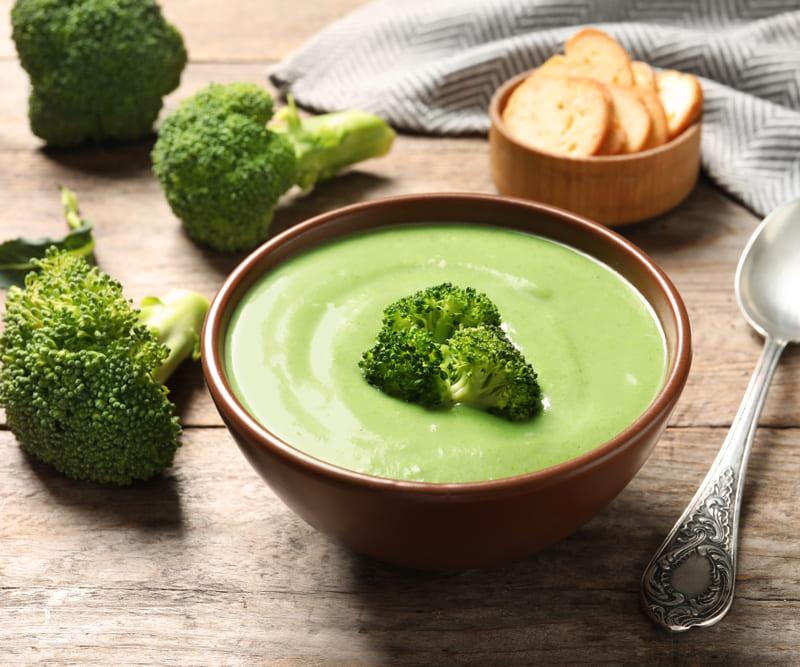
Broccoli soup
A warming and practical way to enjoy broccoli, particularly during the colder months.
You can find my broccoli soup recipe here:
Cream of Broccoli Soup – FH Academy. https://wwwflexhealthacademy.com/b/cream-of-broccoli-soup
Broccoli sprouts
Add a handful of fresh sprouts to salads, sandwiches or vegetable bowls for an additional source of glucoraphanin.
8. The bottom line: a small vegetable with fascinating potential
Broccoli is much more than an ordinary green vegetable.
It provides valuable vitamins, minerals and dietary fibre, but it also contains bioactive plant compounds that are attracting considerable scientific interest.
Sulforaphane, in particular, offers fascinating insights into the relationship between nutrition and cellular defence mechanisms.
We are still learning about the full biological significance of these compounds and their potential effects on long-term health.
But one thing is already clear: the foods we eat contain much more than energy and basic nutrients. They also provide a complex range of substances that interact with our biology.
Understanding these interactions helps us make more informed choices about our nutrition.
And sometimes, supporting our health starts with something as simple as adding a little more broccoli to our plate.
At FH Academy, we believe that understanding how our bodies work is an important step towards living with greater health and vitality.
Want to put the knowledge into practice? Try our Cream of Broccoli soup recipe:
https://wwwflexhealthacademy.com/b/cream-of-broccoli-soup
FH Academy – Inspiring people to live with vitality.
Scientific references
Fahey, J. W., Zhang, Y., & Talalay, P. (1997). Broccoli sprouts: An exceptionally rich source of inducers of enzymes that protect against chemical carcinogens. Proceedings of the National Academy of Sciences.
https://pubmed.ncbi.nlm.nih.gov/9294217/
Hayes, J. D., Kelleher, M. O., & Eggleston, I. M. (2008). The cancer chemopreventive actions of phytochemicals derived from glucosinolates. European Journal of Nutrition.
https://pubmed.ncbi.nlm.nih.gov/18458837/
Sun, J., et al. (2021). The effect of processing and cooking on glucoraphanin and sulforaphane in brassica vegetables. Food Chemistry.
https://doi.org/10.1016/j.foodchem.2021.130007
Galanty, A., et al. (2024). Do Brassica Vegetables Affect Thyroid Function? A Comprehensive Systematic Review. International Journal of Molecular Sciences.
https://pubmed.ncbi.nlm.nih.gov/38612798/
Karatzas, K. A., et al. (2021). Sulforaphane-enriched extracts from glucoraphanin-rich broccoli and the influence of cooking methods. European Journal of Nutrition.
https://doi.org/10.1007/s00394-020-02322-0
University of Cambridge Hospitals. Dietary advice for patients taking warfarin.
https://www.cuh.nhs.uk/patient-information/dietary-advice-for-patients-taking-warfarin/
Comments